Environmental & Climate Management
Beyond complying with OSHA and EQA regulations, we use environmentally friendly and energy-efficient processes to conserve natural resources and minimise our operational and product environmental impact.
Energy and water systems cutting operational emissions
Our facilities run on integrated renewable and efficient systems. Solar generation, thermal heating, co-generation and water recovery work in concern to reduce emissions and resource consumption across all plants.
Solar generation
3,600,000 kWh electricity generated from solar panel
Thermal collectors
75 sets supply heating for boiler feed water with IoT monitoring.
Rainwater harvesting
Captured water feeds distillation steam generators, reducing freshwater demand.
3 Cogeneration plants
Three facilities generate combined heat and power, cutting fuel dependency significantly.
Reactive distillation
Continuous process combines reaction and separation, reducing energy and chemical use.
Spray cooling
Open loop system at beading plant operates more efficiently than closed loop alternatives.
Chemical-free technology
We adopt chemical-free technologies and eco-friendly manufacturing processes that minimise chemical use while improving product quality and reducing environmental impact.
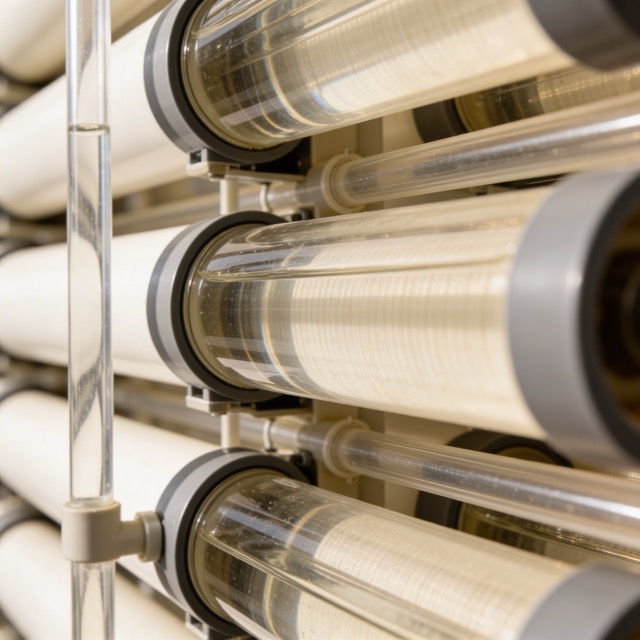
We use ultrafiltration to purify some of our products, avoiding chemical treatments and residue.
We now use crystallisation, a chemical-free process that produces a cleaner, higher-quality, safer product.
We use continuous reactive distillation in our esterification process, to achieve better efficiency, lower energy use and reduced chemical requirements compared to conventional processes.
Our reverse osmosis (RO) system treats waste water using membrane filtration which minimises chemical usage while effectively removing impurities.
6 Principles for responsible operations
In 1994, we adopted the Chemical Industries Council of Malaysia's Guiding Principles of Responsible Care and six Codes of Practice. We're committed to minimising environmental impact while protecting employee, public health and safety. For more information, visit CICM's website.
In 2010, Acidchem International received Platinum Award, under Responsible Care for Pollution Prevention code from the Chemical Industries Council of Malaysia. The award is typically presented to companies that have achieved a Gold Award for three consecutive years.
Distribution
Community awareness and emergency response (CAER)
Pollution prevention
Employee health and safety
Process safety
Product stewardship
International Benchmarking
We work with clients and international organisations to tackle climate change and reduce supply chain emissions. Our SBTi-validated emissions reduction targets align with global climate science.
We disclose greenhouse gas emissions and climate action plans annually through the Carbon Disclosure Project.
Independent assessors evaluate our environmental and social performance across the entire supply chain.
Our emissions reduction targets align with scientific consensus on climate action requirements.
Pathway to Net Zero by 2040
IOI Oleochemical supports IOI Group's climate action through a structured GHG reduction roadmap that integrates operational improvements with Group-wide objectives. The roadmap addresses absolute and intensity-based emissions reductions through energy efficiency, renewable energy adoption, methane capture, and process optimisation, while strengthening emissions data quality and governance.
Detailed targets and commitments are outlined in the IOI Group Climate Change Action Initiative (CCAi) framework.
Sustainability Projects
Reducing greenhouse gas emissions is central to our sustainability strategy. We're implementing targeted projects through energy optimisation, heat recovery and efficient technologies to lower consumption and reduce fossil fuel reliance.
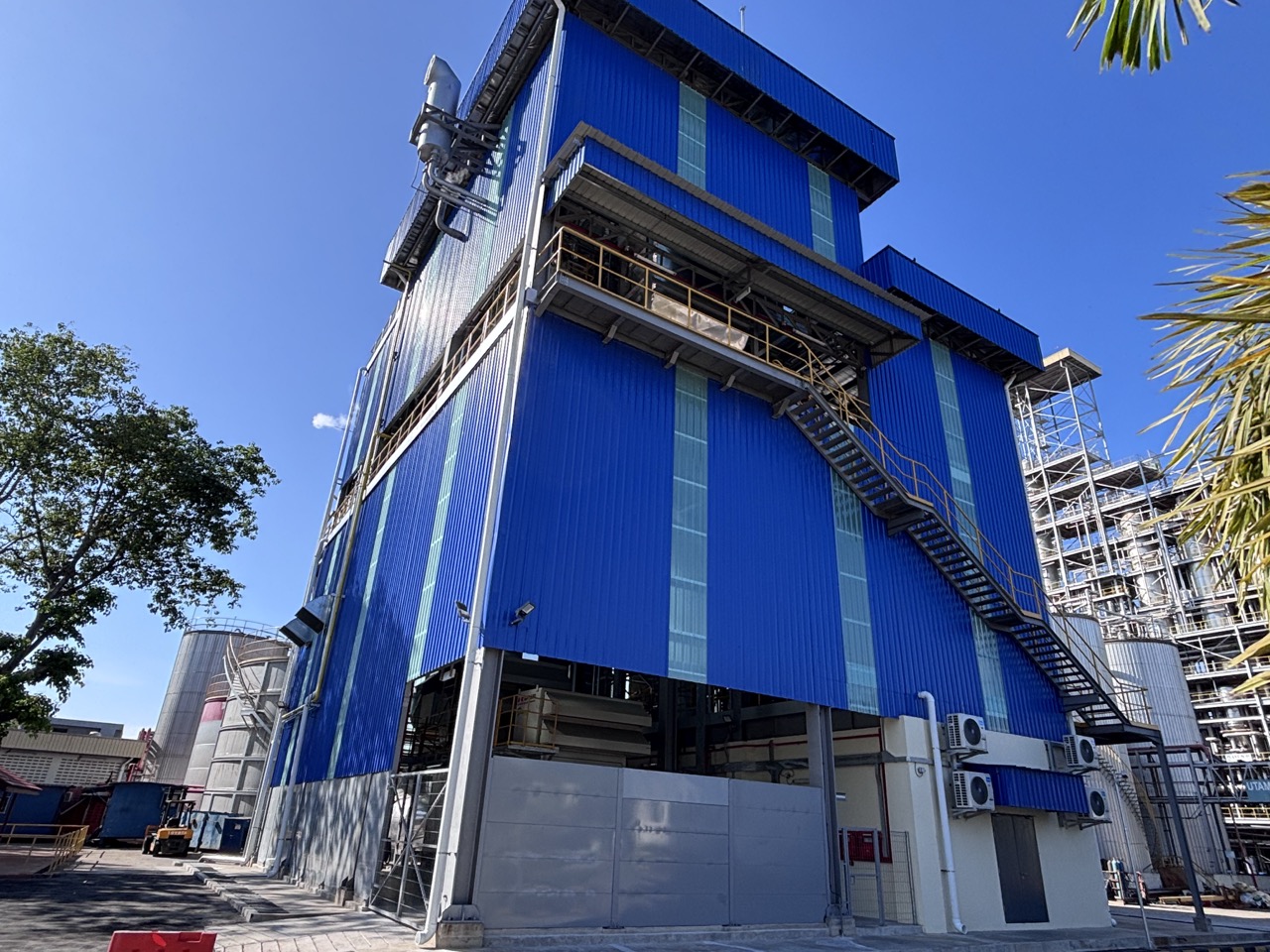
Co-generation power plant improves efficiency
With the addition of this 2nd co-generation power plant with the 1st in 2015, the company will not only reduce the reliance on grid electricity but also achieve an estimated reduction of ~9,000 tonnes of CO2 emissions annually when both plants run at full capacity.
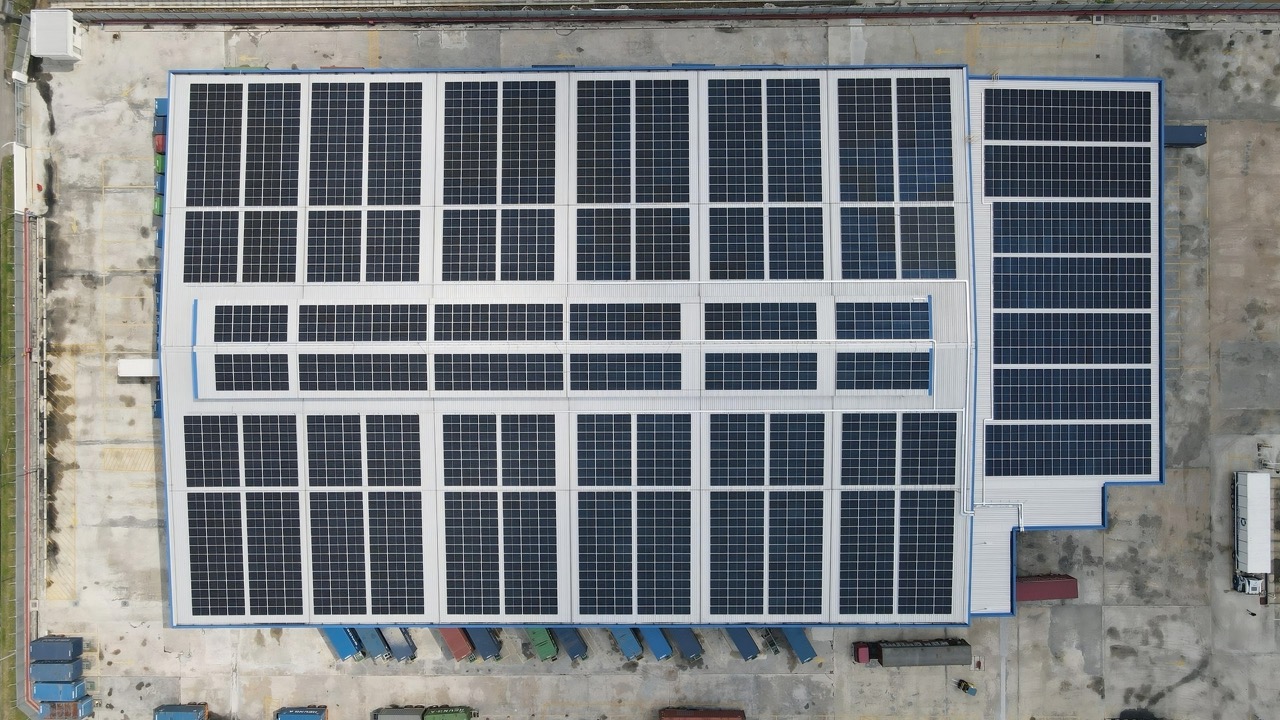
Solar Panels to generate power for self-consumption
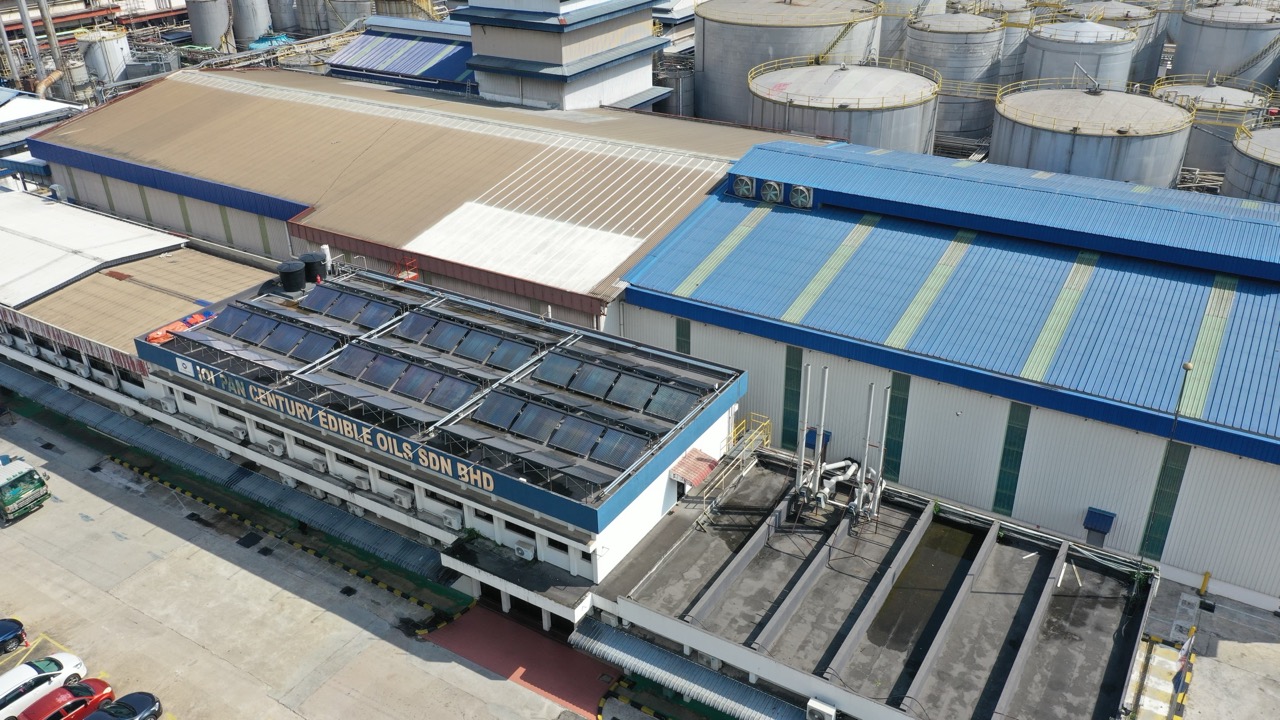
We have currently installed 3 phases of solar panels across our plants in Prai, where the latest installation is able to generate ~1,900 MWh of clean electricity annually and reduce gas emissions by approximately 1,500 tCO2e each year. With all 3 phases now operational, this would aid in reducing overall greenhouse gas emissions by approximately 2,800 tCO₂e.
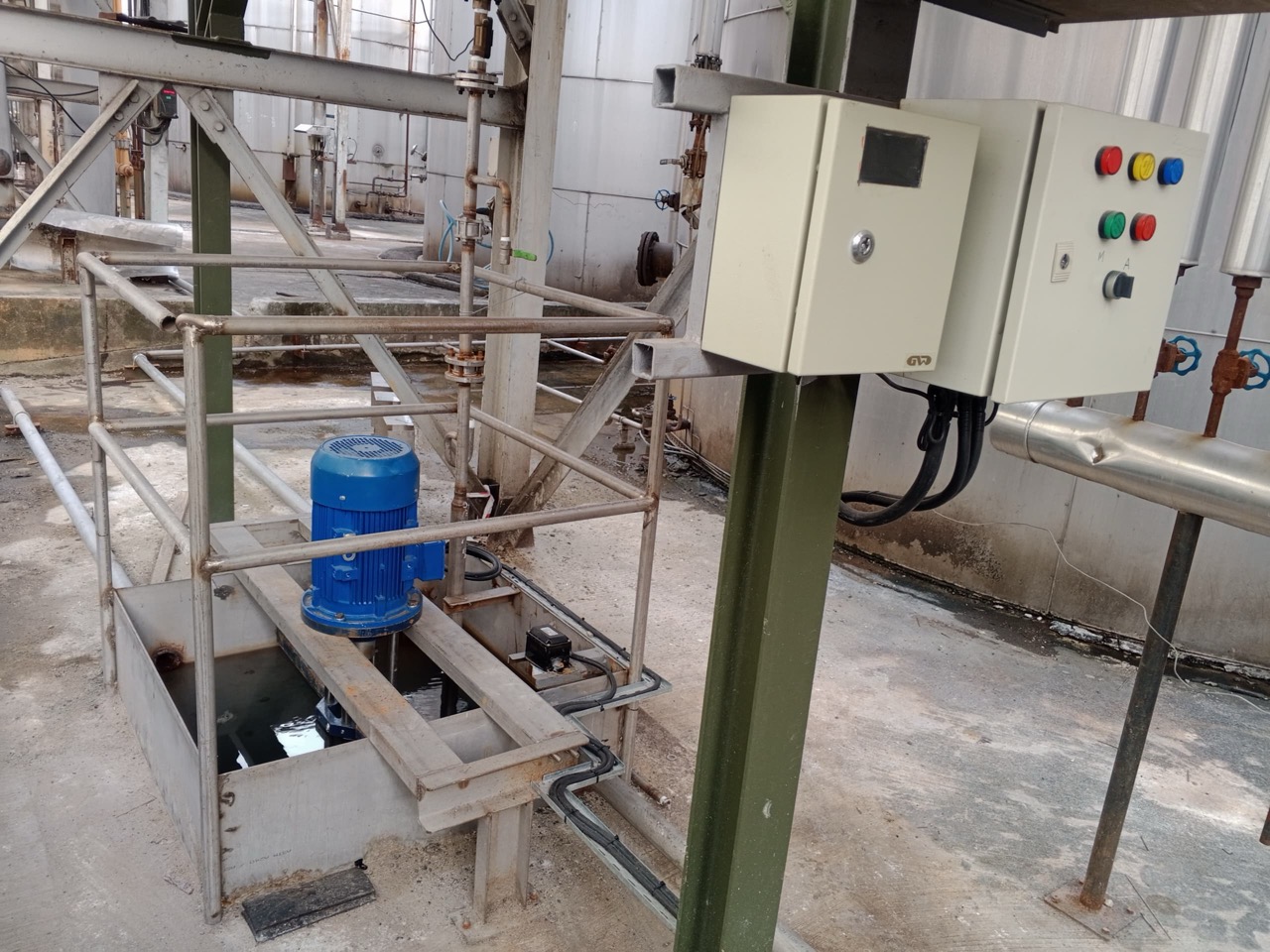
Condensate recovery for water conservation
The condensate recovery project which aims to adapt to water stress, where the steam condensate released from the heating of the storage tank will be reused for plant process application instead of being released to ETP plant for further treatment. This project had helped save ~1500 m3 of SAJ water and ETP treatment cost.
Solar thermal heating improves boiler efficiency
This installation of solar thermal collector panels aided in the reduction of steam consumption which directly reduces the consumption of natural gas in conventional boiler and carbon emission reduction by ~350 tCO2e/year.
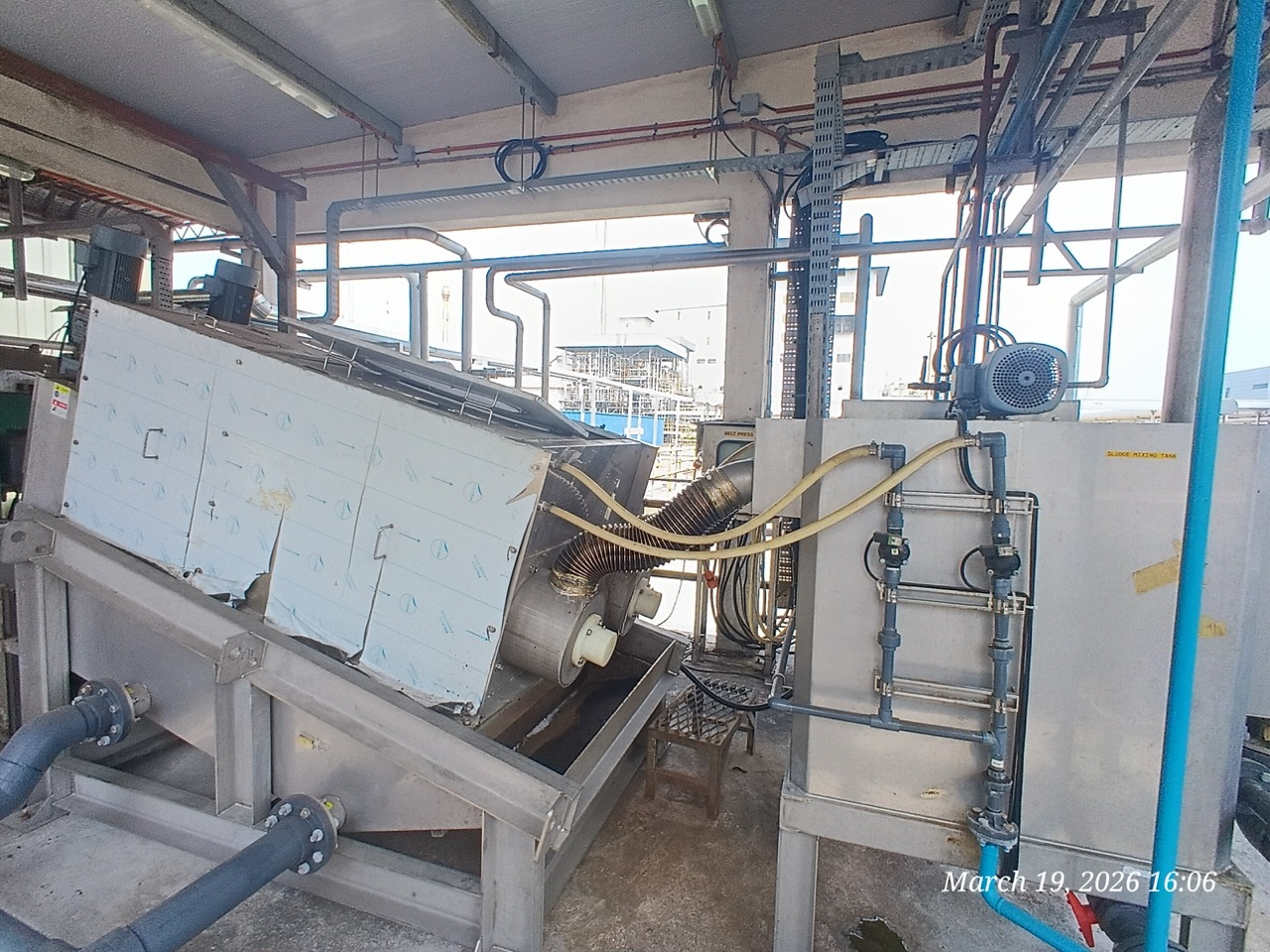
High efficiency Multi Disc Screw Press (MDS)
The installation of the Multi Disc Screw Press (MDS) improved the overall sludge generation process and also aided in substantial energy savings which resulted in a 6-fold increase in sludge production and a 42% reduction in energy consumption and GHG emissions compared to the old unit.
Sludge dryer reduces waste
The commissioning of this particular sludge dryer was able to reduce bio sludge quantity by reducing its moisture content by ~70%. This in turn also aided in the reduction of high cost of disposal as SW204.